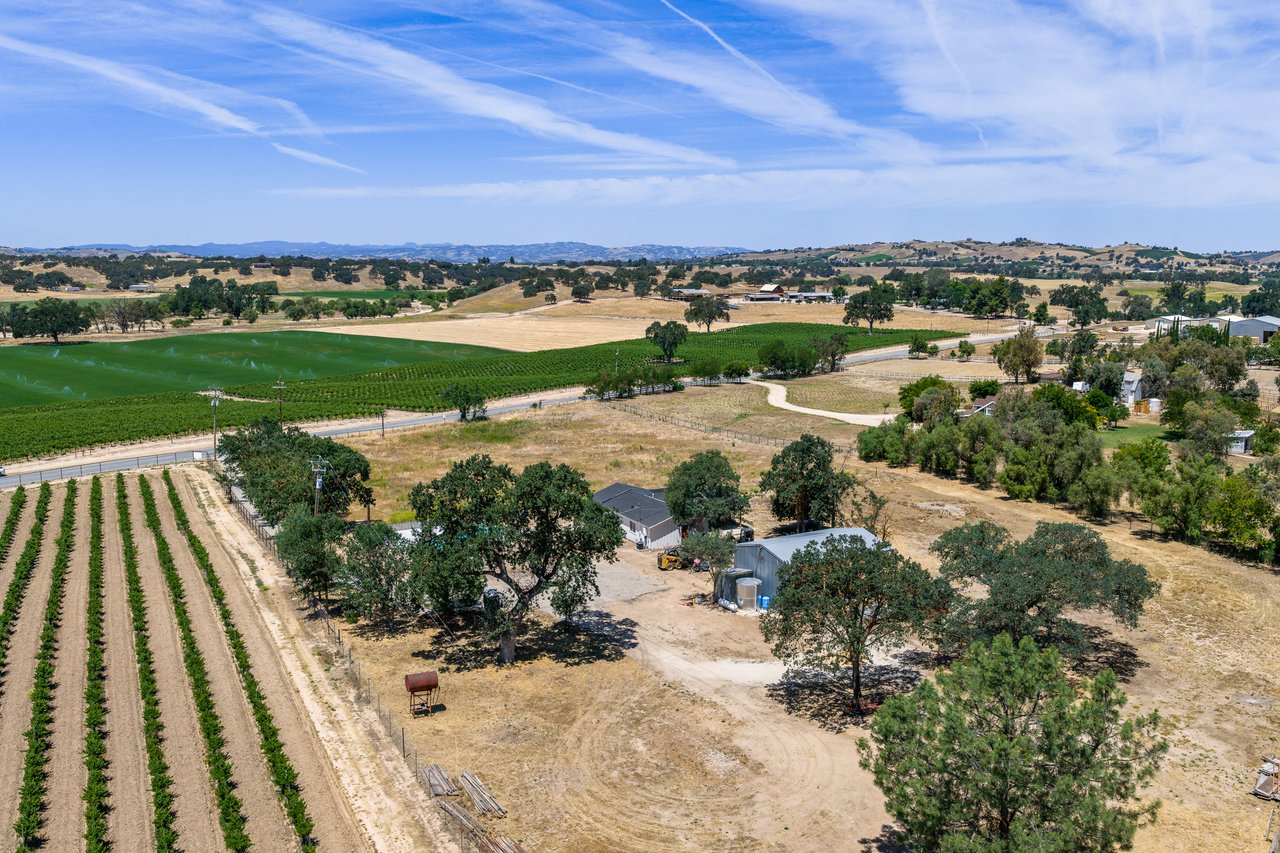
A parcel works for horses when four things line up: zoning that permits the number of animals you intend to keep, water production sufficient for both household and livestock use, terrain and drainage that give you usable turnout and safe footing, and access that accommodates a truck and trailer. Acreage alone doesn't determine any of them. We've seen 20-acre parcels that don't work and five-acre parcels that work well.
Most of the county's equestrian inventory sits in North County — Creston, the Templeton and Atascadero rural fringe, the areas east and west of Paso Robles — with additional properties on the Nipomo Mesa and east of Arroyo Grande.
Zoning and animal keeping
San Luis Obispo County regulates animal keeping through its Land Use Ordinance, and the allowable number of animals depends on the parcel's zoning designation and size. Do not assume that acreage alone permits any number of horses.
Verify with County Planning for the specific parcel, before you write. If the property is in a subdivision or under CC&Rs, read those separately — private restrictions can be tighter than county rules.
Water is the constraint people underestimate
Horses consume a meaningful amount of water daily, and that's before arena dust control, wash racks, and any irrigated pasture. A well that comfortably serves a household may not comfortably serve a household plus livestock plus an arena.
Get a documented flow test. Ask a well professional to evaluate production against your intended use, including how many animals and whether you plan to irrigate. This is the number one reason an otherwise good equestrian parcel disappoints its buyer.
Terrain, footing, and drainage
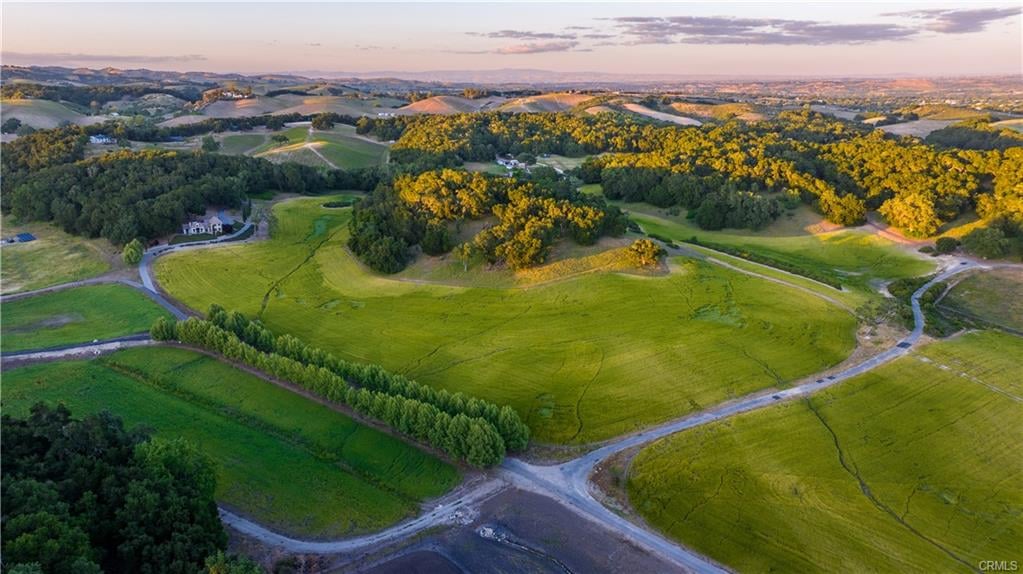
Slope. Rolling ground is common here and much of it is fine, but you need usable flat area for turnout, an arena pad, and any structure.
Soil and drainage. Walk the property after a rain if you can. Ground that holds water creates mud, hoof problems, and unusable turnout for weeks.
Existing arena. Check base construction and drainage, not just the surface. A poorly built base is a full rebuild.
Sun and shade. Note the oak coverage and where afternoon shade falls in summer. Inland summers here are hot.
Structures and fencing
Inspect barns, shelters, and stalls for condition and for permit status. Unpermitted structures are common on rural property and become your issue.
Walk the entire fence line. Note materials, condition, and whether the fencing is appropriate for horses — some rural fencing is built for cattle and is not safe for horses. Confirm where the legal boundary actually falls; on large parcels the fence and the property line frequently disagree, which is one reason a survey is often worth the cost.
Access and logistics
Can a truck and trailer get in, turn around, and get back out? Check gate width, driveway grade, turning radius, and overhead clearance from trees and lines. If the property is on a shared private road, confirm the road handles trailer traffic and review the maintenance agreement.
Then look at logistics: distance to the nearest equine veterinarian, farrier availability, feed store, and trail or arena access. In North County these are generally well served, but the drive times vary by area.
Fire and evacuation
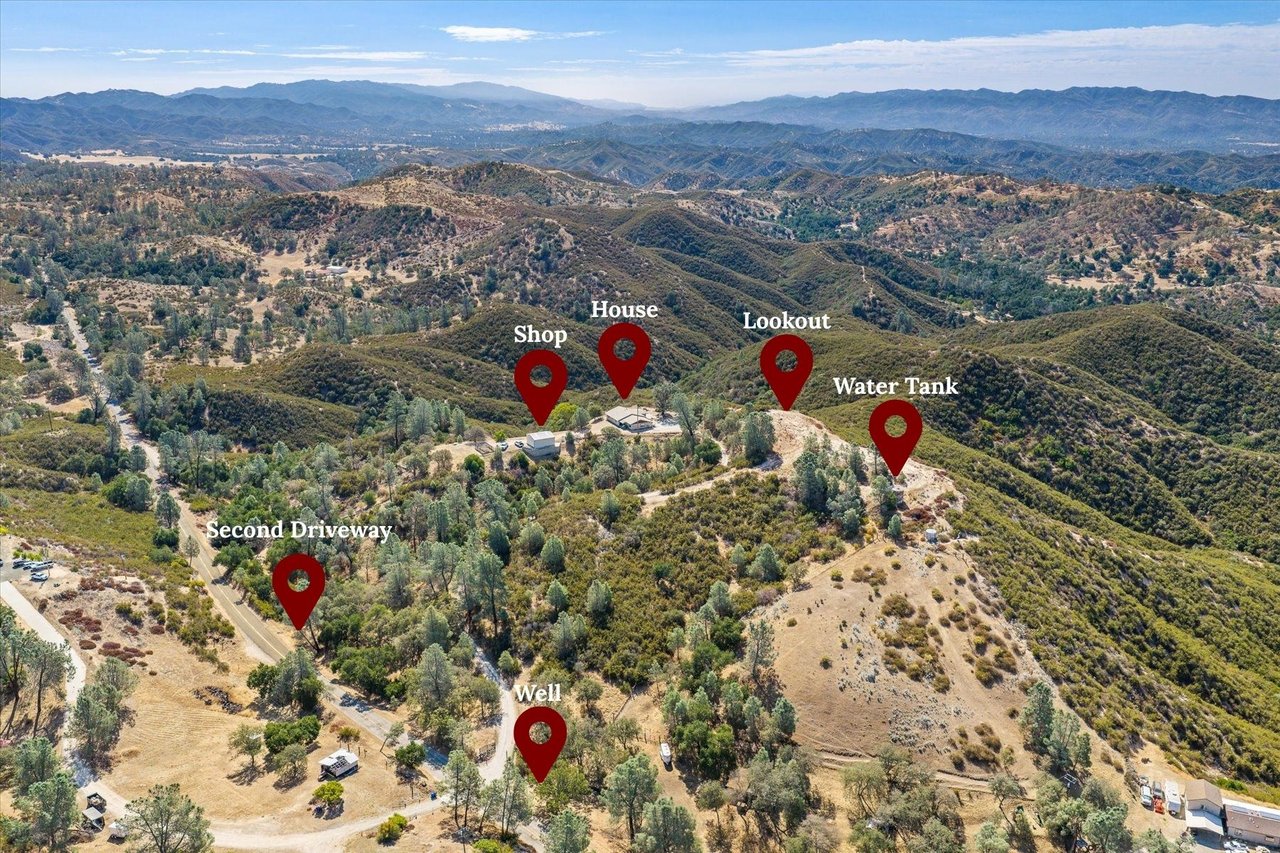
Rural equestrian property carries an obligation most buyers don't think about until they need it: getting animals out. Evaluate whether you can load and evacuate quickly, whether there's a second way off the property, and where you would go. Discuss fire coverage for structures and livestock with a licensed insurance professional early — availability varies by hazard zone.
Frequently asked questions
How many acres do you need per horse in California? There's no single statewide number. In San Luis Obispo County, allowable animal keeping depends on zoning designation and parcel size. Verify with County Planning for the specific parcel.
Where is horse property on the Central Coast? Most equestrian inventory in San Luis Obispo County is in North County — Creston, the Templeton and Atascadero rural areas, and the areas around Paso Robles — with additional properties on the Nipomo Mesa and east of Arroyo Grande.
What should I test on a well before buying horse property? A documented flow test measuring production in gallons per minute over a meaningful duration, plus water quality testing. Have a well professional evaluate the results against your intended household and livestock use.
About Lane & Jane Karney
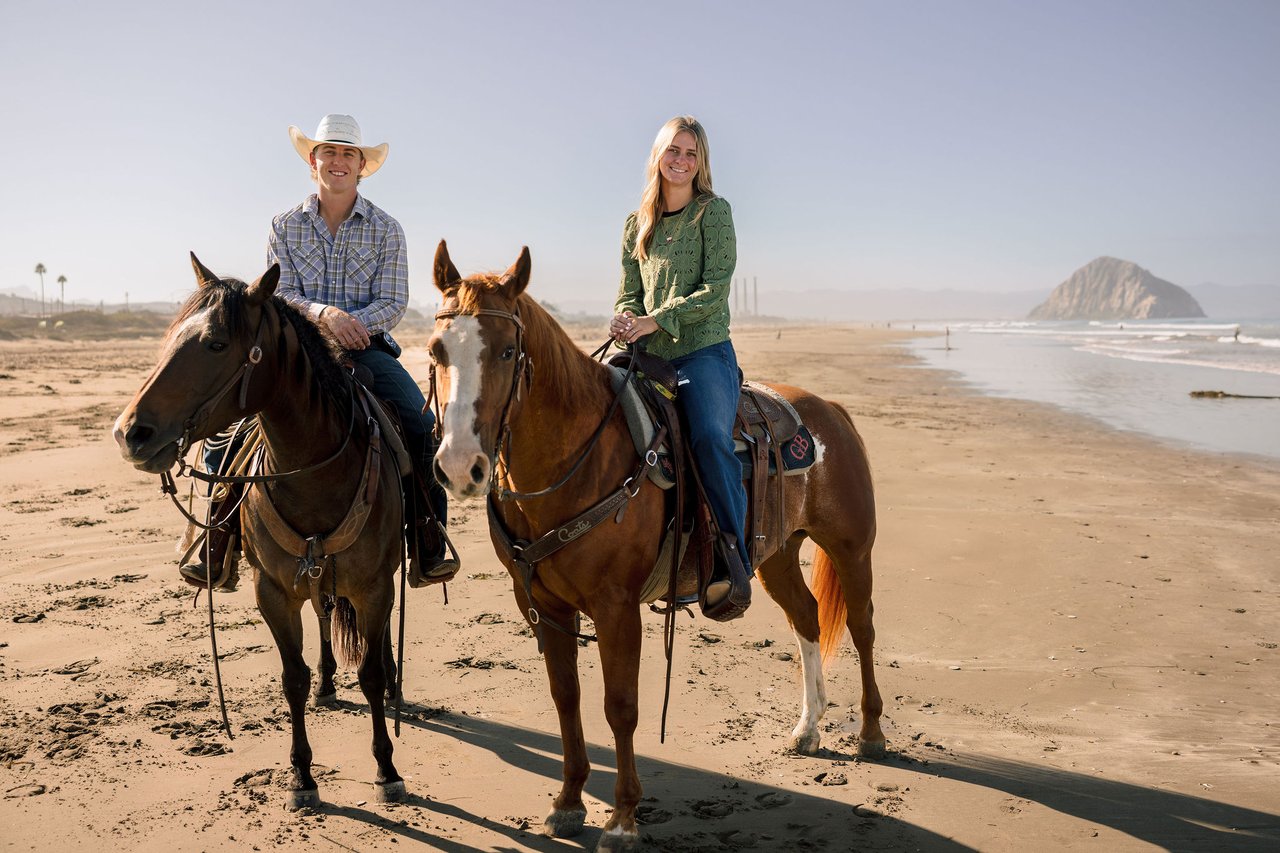
We're Lane & Jane Karney, REALTORS® with Stable Properties. We specialize in ranch, land, and rural residential property in San Luis Obispo County, from Bradley south to Arroyo Grande. We work with buyers evaluating wells, septic, zoning, and access on acreage, and with families preparing legacy ranch and land property for sale.
Have a question about a specific parcel? We're glad to talk it through.
Lane & Jane Karney | REALTORS®
925-286-8981 | [email protected]
DRE 02165892 & 02165893